
Quick Summary
Creative arts therapy for anxiety is a structured support in which a trained practitioner uses painting, drawing, collage, clay, music, movement or writing to help a person work through feelings they struggle to put into words. It differs from making art alone because the practitioner helps the person reflect on what the artwork reveals.
- Pure Art Moments offers one-on-one Holistic Integrated Creative Arts Therapy sessions priced at $85.00 for 45 minutes.
- Sessions include all materials, and no previous art experience is needed.
- Home practice can use 10 to 15 minutes of mark-making, collage or prompts, with no cost beyond basic materials.
- The Open Palette Journey is a 2-hour group experience priced at $52.00 that combines guided meditation, music and mixed-media exploration.
- Speak with a GP or mental health professional when anxiety is intense, persistent or affecting daily life.
Table of Contents
What Creative Arts Therapy Is and How It Differs From Making Art Alone
Creative arts therapy for anxiety is a structured form of support in which a trained practitioner uses painting, drawing, collage, clay, music, movement or writing to help a person notice and work through feelings they struggle to put into words. Pure Art Moments offers this through its Holistic Integrated Creative Arts Therapy appointments, which are priced at $85.00 for a 45-minute one-on-one session. The difference from simply making art at the kitchen table is the relationship and the reflection that follows the making.
Anyone can pick up a brush on a quiet afternoon and feel calmer. In a therapeutic setting, the artwork becomes a doorway into conversation. The practitioner notices what was chosen, what was avoided, and how the work changed over the session, then helps the person make sense of it. This is what separates therapy from a relaxing hobby.
Watch out: a session is not a performance. Many people arrive worried they will be judged on their drawing ability, and that worry alone can raise anxiety. Good practitioners say so early and make clear that the result is never the point.
What Creative Arts Therapy Is and How It Differs From Making Art Alone
What the Research Says About Creative Arts Therapy and Anxiety
The evidence is encouraging but still developing.
It is worth being clear about what this evidence does not yet show. Many studies are small, and the strength of findings varies by population and by the type of art used. Creative arts therapy should be seen as a supportive approach, not a replacement for medical or psychological care where that is needed.
What the Research Says About Creative Arts Therapy and Anxiety
Art Therapy Exercises for Anxiety You Can Try at Home
Structured home practice can complement professional support, and it costs nothing beyond basic materials. Set aside 10 to 15 minutes, keep the materials simple, and give yourself permission to make unfinished or messy work. The goal is noticing how your body and mind respond, not producing something beautiful.
Grounding and mindfulness through simple mark-making
Sit with a sheet of paper and a single pencil or pastel. Make slow, repeated marks, such as lines, dots or circles, while paying attention to the pressure of your hand and the sound of the mark on the paper. Pause after each set of marks and name one thing you can feel in your body. This keeps attention anchored in the present moment, which is often where anxious thoughts loosen their grip.
Collage and mixed-media release
Tear or cut images and colours from old magazines or scrap paper without planning the result. For a structured guide to this kind of practice, read about the benefits of Sacred Flow art sessions. Glue them down quickly, layer them, and allow the composition to build intuitively. Afterwards, look at the piece and note one word that describes how you feel. Many people find that tearing paper is a physical outlet for tension that talking alone does not reach.
Art Therapy Exercises for Anxiety You Can Try at Home
Holistic Integrated Creative Arts Therapy →
Art Therapy Prompts for Anxiety and How to Use Them
Prompts give your practice a starting point when a blank page feels overwhelming. Try one per session and avoid judging the result. Useful prompts include drawing the shape your anxiety would take if it had a form, painting a colour that represents calm, or sketching a safe place you can return to in your mind. Keep your materials visible and set a timer, so the exercise has a clear beginning and end. Reflect briefly afterwards, then close the session deliberately.
Creative Arts Therapy Activities Beyond Visual Art
Visual art is only one route in. Some people find rhythm or body movement easier to access than images, while others find that writing a short poem or letter releases feelings more readily than a drawing.
What to Expect From a Creative Arts Therapy Session
A session at Pure Art Moments lasts 45 minutes, is one-on-one, and includes all materials. You do not need previous art experience. Sessions are unhurried.
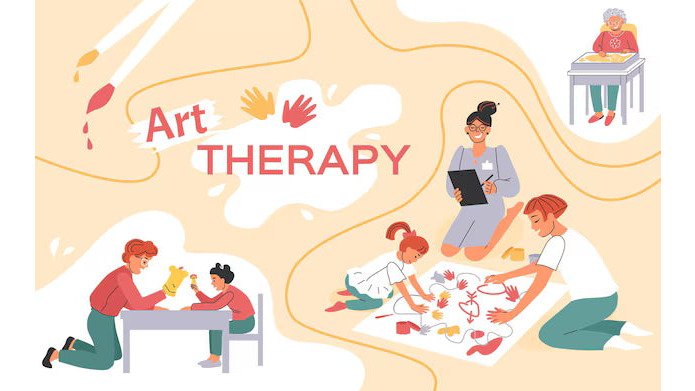
Choosing Between Self-Guided Practice, Group Sessions and Professional Therapy

Self-guided practice suits gentle, low-pressure exploration and is free beyond materials. Group sessions bring connection with others, and Pure Art Moments' Open Palette Journey, a 2-hour guided experience priced at $52.00, combines guided meditation, music and mixed-media exploration in a candlelit space. Professional one-on-one therapy is more appropriate when anxiety is intense, persistent or affecting daily life. If you are weighing options, consider what you need most: solitude, community, or individual guidance. Where symptoms are severe, speak with a GP or mental health professional alongside any creative practice.
Booking Your First Creative Arts Therapy Session
To book, choose your session on the Pure Art Moments website and, after purchase, email pam.pureartmoments@gmail.com or call 0433 680 513. For a step-by-step walkthrough of scheduling a session, follow the booking guide. Bookings are confirmed within one business day. The introductory offer lets you book 6 sessions and receive your first session free, and pensioners or concession card holders can ask about a discount. Start with one session to see how it feels before committing further.
Frequently Asked Questions
What is creative arts therapy for anxiety?
Creative arts therapy for anxiety uses drawing, painting, collage, clay, music or movement to help people express and process feelings that are hard to put into words. It is usually guided by a trained practitioner, who helps the person reflect on what they create. It is best seen as a complementary approach alongside, not a replacement for, other care when anxiety is severe.
Can art therapy help with anxiety?
The evidence is encouraging but still developing, so results are best treated as promising rather than definitive.
Do you need to be good at art to try art therapy?
No. Creative arts therapy focuses on the process of expression rather than the finished result. Most sessions and home exercises are designed for beginners, and the point is to notice what you feel while you make marks, shapes or colours. Simple materials such as paper, pencils and a few paints are enough to start, and you can keep work private if you prefer.
How is art therapy different from making art on your own?
Making art on your own can be relaxing, but art therapy adds structure and reflection. A trained practitioner selects activities, observes how you respond and helps you understand what your creative choices reveal about your emotions. Self-guided practice using prompts can offer similar benefits for stress and mindfulness, but it does not replace the clinical assessment and support a qualified therapist provides.
Can children use art therapy for anxiety?
Yes. Art-based approaches can be helpful for children who find it hard to talk about feelings. Parents and carers can encourage simple drawing or collage at home, but for persistent anxiety a qualified practitioner or GP should guide the process and recommend the right level of support.
How do I find a qualified creative arts therapist?
Look for practitioners who hold recognised qualifications in art therapy or creative arts therapies and who are registered with a relevant professional body. Ask about their training, how they work with anxiety, and whether they coordinate with your GP or other health providers. A GP can also provide referrals and advice on suitable support.
