
Table of Contents
- What Art Therapy Is and How It Works for Neurodivergent Children
- Art Therapy Activities for Children: Practical Approaches
- Benefits of Art Therapy for Children with Autism and ADHD
- What Happens in an Art Therapy Session for Children
- Finding an Art Therapist for a Child: What to Look For
- Supporting Art Therapy at Home: Practical Steps for Parents
- Getting Started with Art Therapy for Neurodivergent Children
- Frequently Asked Questions
Last Updated: October 14, 2026
What Art Therapy Is and How It Works for Neurodivergent Children
Art therapy for neurodivergent children is a form of creative expression that helps kids communicate feelings they may struggle to put into words. Through painting, drawing, sculpting, or other artistic activities, children explore their emotions in a safe, non-judgmental space.
Art therapy differs from regular art class. In art class, the focus is on technique and creating a finished product that looks "good." In art therapy, the process matters far more than the result.
For neurodivergent children, those with autism, ADHD, or other developmental differences, art therapy offers something traditional talk therapy sometimes doesn't. Many children find it easier to show their feelings through colour and shape than through conversation.
Art therapy versus art activities: understanding the difference
Art activities and art therapy sound similar, but they're fundamentally different. An art activity is what happens in a school classroom or at home when your child paints a picture.
Art therapy involves a trained professional, an art therapist, who understands psychology, child development, and neurodiversity. The therapist observes what the child creates and how they create it.
The therapist also creates a structured, predictable environment. They might offer specific materials or themes. They watch for signs of frustration, joy, or breakthrough moments.
At Pure Art Moments, we understand how powerful creative expression can be.
Art Therapy Activities for Children: Practical Approaches
Art therapy activities for children work best when they're simple, open-ended, and allow room for expression. The activity itself is less important than the safety and freedom the child feels while doing it.
Sensory exploration through materials
Sensory exploration is especially valuable for neurodivergent children. Many autistic and ADHD children have sensory sensitivities, they might crave certain textures or avoid others (pubmed.ncbi.nlm.nih.gov).
Finger painting lets a child feel the texture of paint without worrying about "doing it right." Some children need that tactile input.
Clay work engages different senses. Squeezing, rolling, and shaping clay can be calming for anxious children.
Water-based activities, painting with water on paper, adding water to create texture, appeal to many children. Some children find the flow and movement soothing.
The key is choice. Offering three or four material options and letting the child pick removes pressure and builds agency.
Emotional expression without pressure
The most important rule in art therapy is this: the child never has to explain their work or make it "pretty." A scribbled mess is valid.
When children know their creation won't be judged, they relax. They stop trying to please the adult. They start expressing what's actually inside.
Some children create images of their feelings directly, drawing a big black cloud for sadness, a red flame for anger. Others create abstract marks that only they understand.
A skilled art therapist might gently ask open questions: "I notice you used a lot of blue.
This approach is especially powerful for children with autism or ADHD.
Benefits of Art Therapy for Children with Autism and ADHD
Art therapy for neurodivergent children offers concrete benefits across emotional, physical, and social development.
Emotional regulation and managing frustration
Many autistic and ADHD children struggle with emotional regulation. Feelings come fast and intense, and they don't always have tools to manage them. Art therapy builds those tools.
When a child paints angry feelings onto a canvas instead of hitting someone, they've found an outlet. Over time, they learn that strong emotions can be expressed safely. They don't have to explode. They can create.
Art also helps children recognise and name their emotions. A therapist might say, "That red colour looks intense.
For children with ADHD, the focused attention required for art can be calming. Unlike sitting still in a classroom, creating art feels purposeful. The child is engaged, not restless.
Fine motor skills and handwriting development
Fine motor skills, the ability to control small hand movements, develop through art. Holding a brush, controlling pencil pressure, manipulating clay: all of these build the tiny muscles and coordination needed for writing.
For children struggling with handwriting, art therapy offers low-pressure practice. They're not "doing handwriting." They're creating. But their hands are learning.
Sensory exploration through art also helps children understand their hands better. A child who struggles with pencil grip or pressure might discover, through painting or drawing, what feels comfortable. This awareness carries over to writing.
What Happens in an Art Therapy Session for Children
A typical art therapy session for children follows a predictable structure. Predictability is crucial for neurodivergent children, especially those with autism.
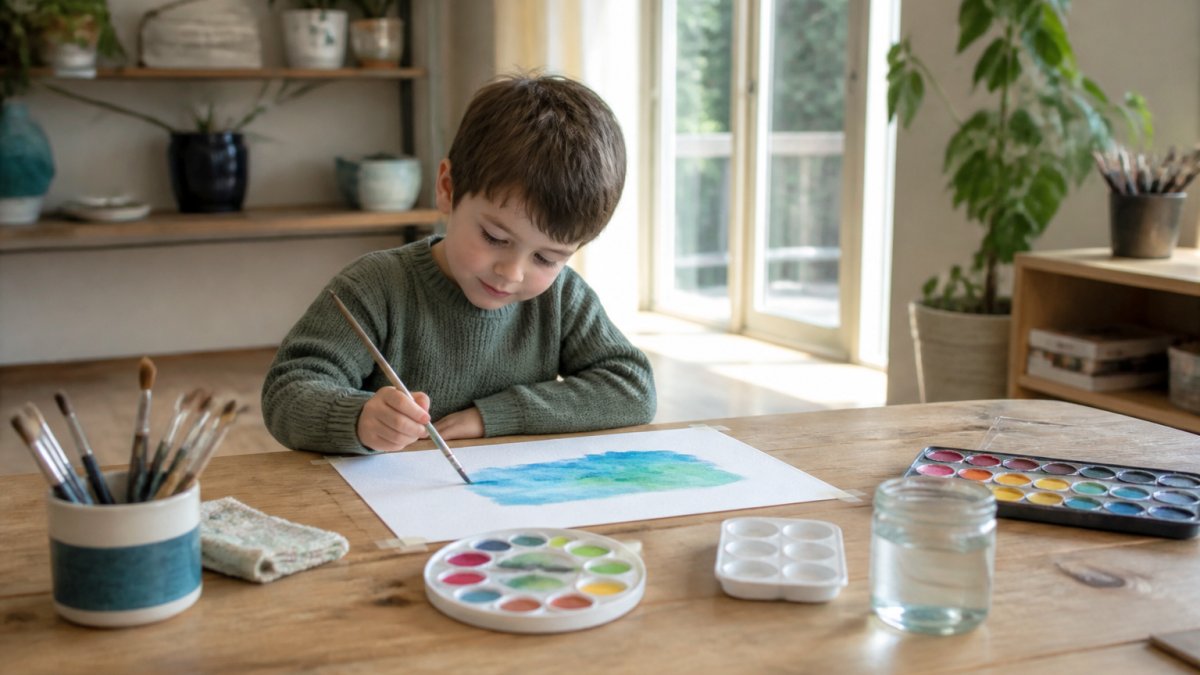
Structure, safety, and predictability
A good art therapy session starts the same way each time. The therapist greets the child, maybe talks briefly about how they're feeling, and then invites them to choose materials.
The space itself matters. It should feel calm and safe, not cluttered or overstimulating. Materials are organised and visible so the child knows what's available.
Holistic Integrated Creative Arts Therapy →
Sessions usually last 45 minutes to an hour. For younger children or those with shorter attention spans, 30 minutes might be better.
Throughout the session, the therapist observes without judgment. They notice what the child creates, how they move, whether they seem relaxed or tense.
The therapeutic relationship and choice
The relationship between child and therapist is the heart of art therapy. The child needs to trust that this adult won't criticise, won't force them to talk, and won't take away their control.
This means the child chooses what to create. The therapist might suggest a theme, "Today we could explore colours that match our feelings", but the child decides whether to follow it.
The child also controls how much they talk. Some children chat throughout. Others work in silence. Both are welcome. The therapist follows the child's lead.
At Pure Art Moments, we recognise that this therapeutic relationship is built on genuine respect for the child's autonomy and pace. Our approach to creative arts therapy honours each child's unique way of processing and expressing themselves.

Finding an Art Therapist for a Child: What to Look For
Not all art teachers are art therapists, and not all art therapists have experience with neurodivergent children. Knowing what to look for helps you find the right fit.
Qualifications and experience with neurodivergent children
A qualified art therapist has formal training in both art and psychology. In Australia, look for therapists who have completed accredited art therapy training through organisations that set professional standards.
Experience with neurodivergent children matters. Ask directly: "Have you worked with autistic children?" "Do you have experience with ADHD?" A therapist familiar with how autism or ADHD shows up in children will understand sensory needs, communication differences, and emotional regulation challenges.
Ask about their approach. Do they use structured sessions? Do they respect the child's choice to not talk? Do they avoid forcing eye contact or social interaction? These details reveal whether they understand neurodiversity.
Preparing for the first session
Before the first session, talk with your child about what to expect. Keep it simple: "We're going to meet someone who helps kids express feelings through art. You'll have paints and paper. You get to choose what to create. There's no right or wrong."
If your child has specific sensory needs or triggers, tell the therapist beforehand. For example: "My child doesn't like the smell of certain markers" or "Loud noises cause distress." A good therapist will adjust the environment.
Arrive a few minutes early so your child can see the space before the session starts. Familiarity reduces anxiety.
Supporting Art Therapy at Home: Practical Steps for Parents
You don't need to be an art therapist to support creative expression at home. Simple changes create an environment where your child feels safe to explore and create.
Creating a safe, predictable creative space
Set up a dedicated art corner if you can. It doesn't need to be large, a small table or even a shelf works. Stock it with basic materials: paper, crayons, markers, paint, brushes, clay.
Keep the space consistent. If your child knows where materials are and what's available, they're more likely to use them independently. This builds confidence and agency.
Set a predictable time for art if possible. "After dinner, we have art time" gives your child something to anticipate. Consistency matters for neurodivergent children.
Remove the pressure to create a finished product.
Measuring progress and setting realistic expectations
Progress in art therapy isn't always visible in the artwork. You won't necessarily see your child's drawings become "better." Progress looks like:
- Your child reaching for art materials without being asked
- Spending longer periods focused on creating
- Expressing feelings through art instead of through aggression or withdrawal
- Talking more openly about emotions
- Showing less frustration during creative time
- Trying new materials or techniques without fear
These shifts happen gradually. Some children show change within weeks. Others take months. Neurodivergent children often develop at their own pace, and that's normal.
Avoid comparing your child's progress to other children. Your child's journey is unique. What matters is whether they're becoming more comfortable with expression, more regulated, and more confident.
Getting Started with Art Therapy for Neurodivergent Children
If you're considering art therapy for your child, start by recognising that you're already supporting their wellbeing by exploring this option. Many parents of neurodivergent children feel stuck, unsure what will help.
Look for a qualified art therapist in your area with experience with neurodivergent children. Ask questions about their approach, their experience, and how they create safety and choice in sessions.
At Pure Art Moments, we offer Holistic Integrated Creative Arts Therapy designed to support emotional expression and wellbeing through art.
You can also start at home. Set up a creative space, stock it with materials, and give your child permission to create without judgment.
Frequently Asked Questions
How can art therapy help neurodivergent children?
Art therapy for neurodivergent children provides a non-verbal way to express emotions and process experiences that words alone may not capture. Through creative activities, children develop emotional regulation skills, reduce anxiety and frustration, and build confidence in their own agency and choice. The therapeutic process also supports sensory exploration, fine motor development, and social connection in a safe, pressure-free environment tailored to their individual needs.
What art therapy activities for children work best at home?
Effective art therapy activities for children at home include finger painting, collage-making, clay modelling, and drawing with open-ended prompts rather than strict instructions. The key is offering choice, letting your child select colours, materials, and whether to create representational or abstract work. Avoid correcting or judging the finished product. Instead, create a predictable routine, ensure sensory materials are accessible, and allow your child to lead the creative process without pressure to produce 'perfect' artwork.
Is art therapy suitable for autistic children and children with ADHD?
Yes. Art therapy is well-suited to autistic children and children with ADHD because it offers structured, sensory-rich expression without social pressure. For autistic children, it can support emotional communication, special interest exploration, and sensory regulation. For children with ADHD, creative activities provide healthy outlets for energy and impulse, improve focus through engaging materials, and build emotional awareness. A qualified art therapist will adapt sessions to each child's sensory profile, attention span, and communication style.
How do I find a qualified art therapist for a child?
Look for a therapist with formal training in art therapy and specific experience working with neurodivergent children. Ask about their qualifications, approach to child-centred support, and how they adapt sessions to individual needs. A good fit will explain their process clearly, welcome questions from parents, and offer an initial conversation to discuss your child's needs before committing to sessions. Many therapists offer introductory sessions so you can assess the therapeutic relationship and whether the environment feels safe for your child.
Supporting your child's emotional wellbeing through art is a gift. It teaches them that their feelings matter, that expression is safe, and that they have tools to navigate the world. Whether through professional art therapy or creative exploration at home, you're building resilience and connection. Book an experience with Pure Art Moments and discover how creative arts therapy can support your child's unique journey.